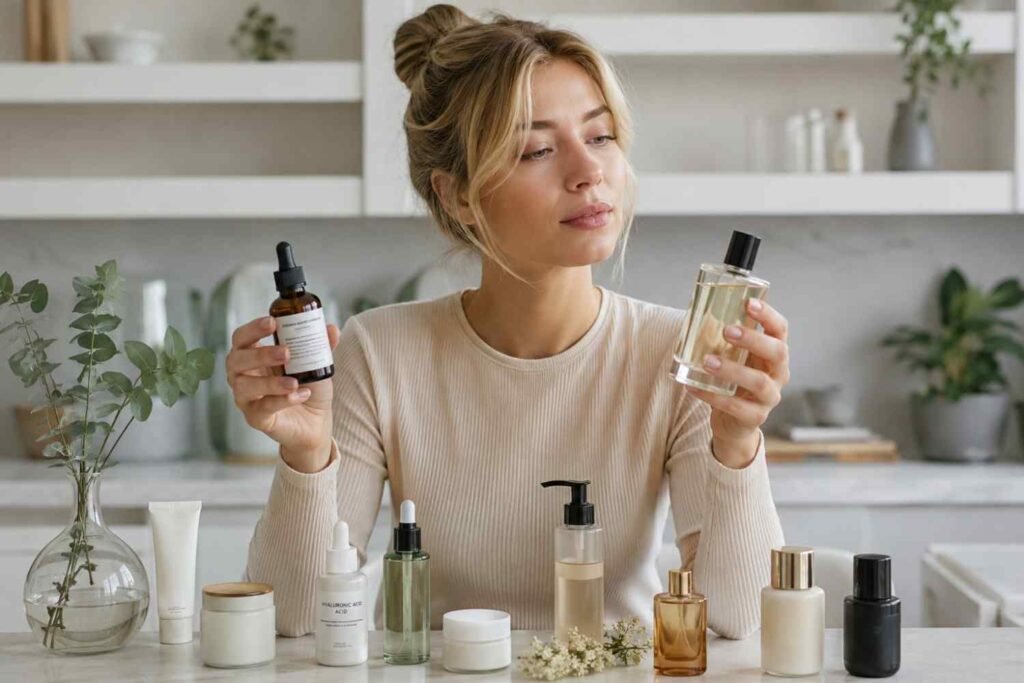
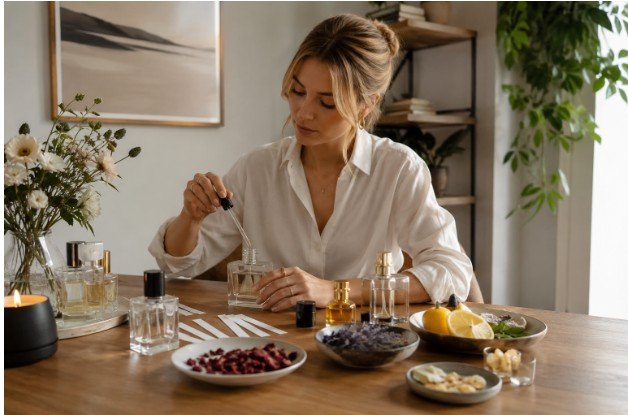
Finding a signature fragrance isn’t always as simple as buying the latest perfume. What smells incredible on someone else may settle differently on your skin, while a scent you once overlooked can become your favorite when paired with another fragrance. That’s one reason fragrance layering has become so popular: it lets you personalize what you already own instead of constantly searching for the “perfect” bottle.
These fragrance pairing ideas prove that creating a unique scent doesn’t require professional training or an expensive collection. With a little experimentation and an understanding of fragrance notes, you can blend perfumes that suit your personality, match the season, and even last longer throughout the day.
Why Fragrance Pairing Is More Popular Than Ever
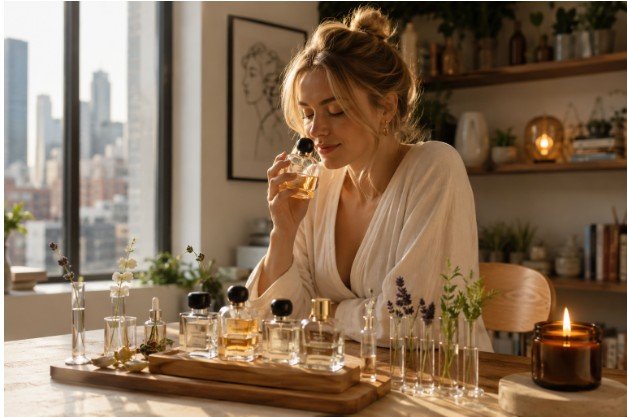
Perfume lovers are moving beyond wearing a single fragrance every day. Instead, they’re building a small scent wardrobe that offers different combinations for work, weekends, evenings, and special occasions.
Layering also gives you more control over how a fragrance develops. By combining complementary notes, you can soften an intense perfume, add warmth to a fresh scent, or create a signature blend that feels completely your own. That’s why fragrance pairing ideas have become one of the biggest trends in modern fragrance routines.
Understand Fragrance Families Before You Start
The easiest way to build successful blends is by knowing how fragrance families interact.
- Citrus adds freshness and energy.
- Floral creates softness and elegance.
- Woody notes provide depth and warmth.
- Gourmand fragrances bring sweet, edible-inspired richness.
- Fresh and aquatic scents feel clean and airy.
- Amber and musk add longevity and a smooth finish.
You don’t need to memorize every perfume note. Start by identifying the dominant scent family in each fragrance and look for combinations that naturally complement one another rather than compete for attention.
Golden Rules for Successful Fragrance Layering
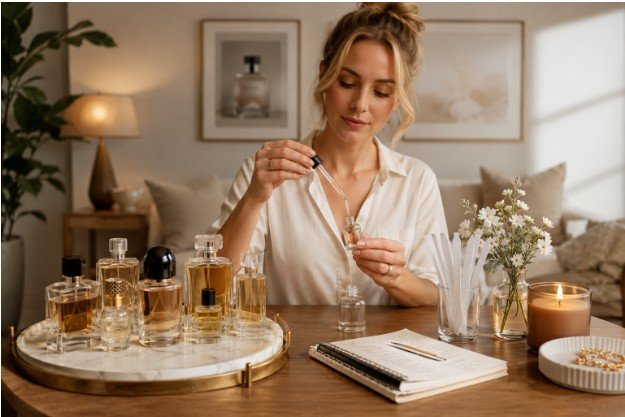
A few simple habits can make the difference between a balanced blend and an overpowering one.
Start with richer fragrances like amber, vanilla, or woody scents before applying lighter floral or citrus perfumes. Limiting yourself to two fragrances is also a smart approach, especially when you’re still learning what works with your skin chemistry.
Whenever possible, combine perfumes with similar concentrations, such as two Eau de Parfums. This helps prevent one scent from overpowering the other. Before applying a new blend, spray both fragrances onto a paper strip to see how they develop together over several minutes.
If you’re looking to experiment with perfume layering combinations, beginning with two complementary fragrances will usually produce the most natural results.
Fragrance Pairing Ideas That Always Work
Citrus + Vanilla
This combination creates a bright opening that gradually settles into a warm, creamy finish. Citrus keeps the fragrance light and uplifting, while vanilla adds comfort without becoming overly sweet.
It’s an excellent choice for everyday wear and works particularly well during spring and early fall.
Rose + Sandalwood
Pairing floral rose with sandalwood creates a smooth, elegant fragrance with a luxurious feel. The woody base balances the sweetness of rose, making the scent feel more refined and long-lasting.
This pairing is ideal for evening dinners, celebrations, or cooler weather.
Aquatic + Vetiver
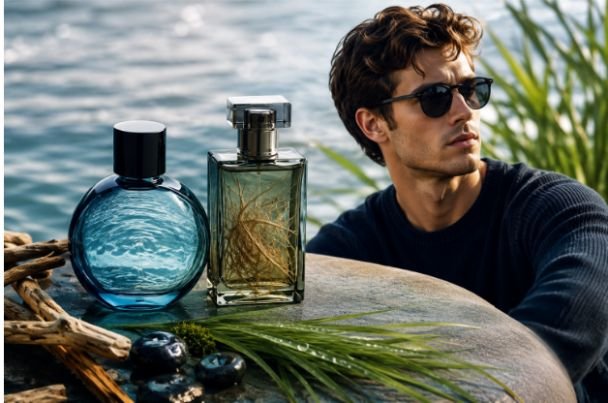
Fresh aquatic fragrances often benefit from an earthy note like vetiver or cedar. Together, they create a clean scent that feels crisp without becoming too sharp.
It’s a perfect option for warm afternoons, outdoor gatherings, or anyone who prefers understated fragrances.
Amber + Warm Spice
Amber paired with cinnamon, clove, or other gourmand-inspired spices creates a rich fragrance with remarkable depth. The result feels cozy, sophisticated, and memorable without being overwhelming.
This blend suits colder months, holiday gatherings, and formal occasions.
Apply Your Fragrances the Right Way
Even the best pairing can lose its effect if it’s applied incorrectly.
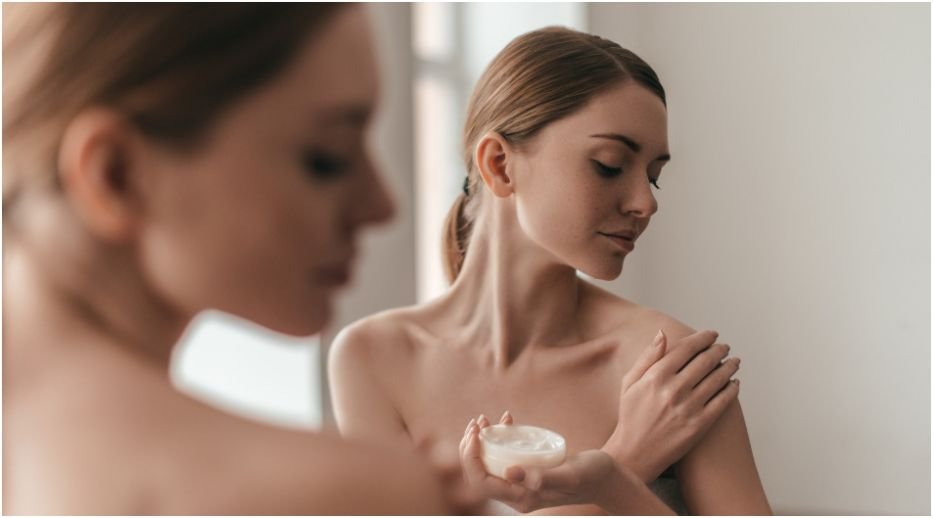
Hydrated skin helps fragrance molecules last longer, so applying an unscented moisturizer beforehand is a simple but effective step. Once your skin is prepared, you can try one of two popular application techniques.
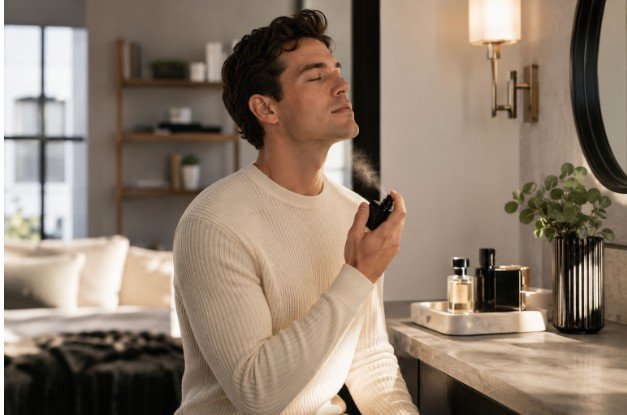
The stacking method involves spraying the heavier fragrance directly onto pulse points, waiting a few seconds, and then applying the lighter fragrance over it. Another option is the halo method, where you spray the lighter scent into the air and walk through the mist after applying your base fragrance. This creates a softer, more diffused finish.
Whatever method you choose, avoid rubbing your wrists together after applying perfume. Friction can disturb the delicate top notes and slightly alter how the fragrance develops.
Common Mistakes to Avoid
Many disappointing fragrance blends come down to a few avoidable mistakes.
- Layering three or more strong perfumes at once.
- Combining fragrances with completely different scent profiles.
- Applying perfume to dry skin.
- Judging a blend immediately instead of waiting for the heart and base notes to develop.
- Using too many sprays, making individual notes difficult to appreciate.
Sometimes the simplest combinations produce the most memorable signature scents.
Build a Signature Blend That Feels Like You
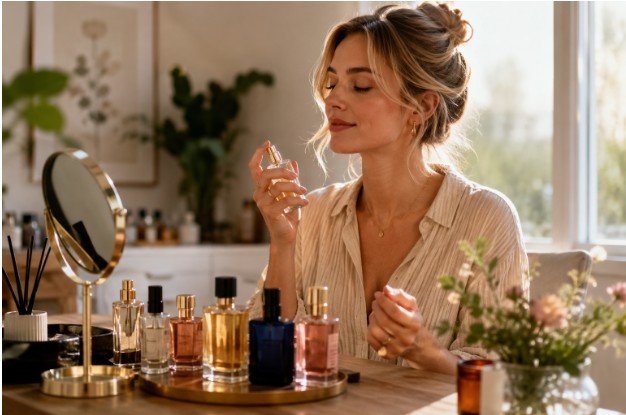
The best fragrance combinations aren’t necessarily the most complicated ones. They’re the ones that feel authentic every time you wear them. Start with two fragrances you already enjoy, pay attention to how they evolve throughout the day, and adjust your combinations based on the season, occasion, or even your mood.
Over time, you’ll begin to recognize the fragrance notes you naturally gravitate toward. That’s when layering becomes less about following rules and more about creating a scent that’s instantly recognizable as your own.
FAQs: Easy Fragrance Pairing Ideas to Create Your Perfect Signature Blend
Can I layer any two perfumes together?
Most perfumes can be layered, but similar fragrance families usually create smoother, more balanced results than completely contrasting scents.
Should I apply fragrance to moisturized skin?
Yes. Unscented moisturizer helps perfume last longer by giving fragrance molecules a better surface to cling to.
How many fragrances should I layer at once?
Beginners should start with two fragrances. This makes it easier to understand how each scent develops without creating an overwhelming blend.
Will fragrance layering smell different on everyone?
Yes. Skin chemistry, body temperature, and even climate influence how perfume develops, so the same combination may smell slightly different from person to person.
The Signature Scent You’ll Keep Coming Back To
Creating a memorable fragrance isn’t about owning the largest perfume collection. It’s about understanding how different notes interact and using them intentionally. Small adjustments, thoughtful pairings, and a little patience often produce blends that feel more personal than any single fragrance ever could.
The best signature scent is the one that feels uniquely yours every time you wear it.