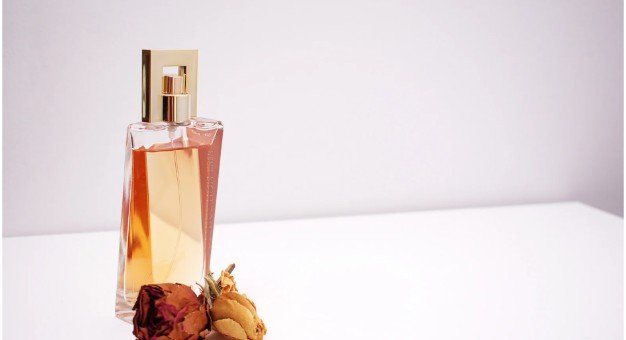

Picking up a perfume bottle can feel surprisingly intimidating once you flip it over. Instead of seeing familiar floral or woody notes, you’re greeted with a long list of scientific names that look more like a chemistry lesson than something you’d wear every day. It’s easy to assume those labels are designed to confuse shoppers, but they actually serve an important purpose.
Learning how to understand fragrance ingredient lists doesn’t mean memorizing every ingredient. It means knowing which parts of the label matter, which ones are there because of regulations, and which details won’t tell you much about the scent itself. Once you know the basics, shopping for a fragrance becomes less about guesswork and more about choosing something that genuinely fits your preferences.
Why Fragrance Ingredient Lists Look More Complicated Than They Really Are
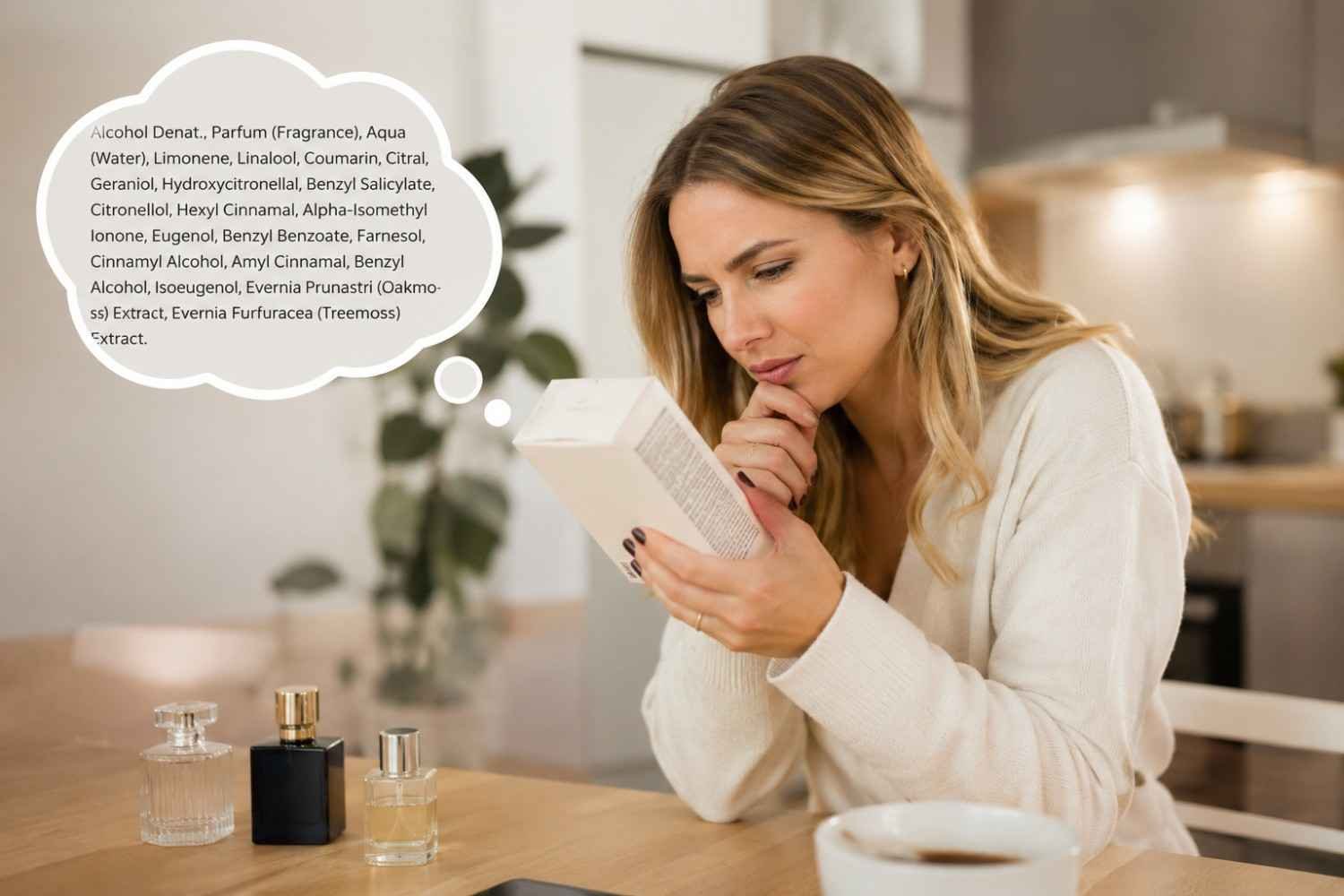
Perfume ingredient lists follow cosmetic labeling rules, which means brands use standardized INCI (International Nomenclature of Cosmetic Ingredients) names instead of everyday language. That’s why you might see terms like Alcohol Denat., Parfum, or Linalool instead of simple descriptions.
Another reason they seem confusing is that fragrance formulas are protected as trade secrets. While skincare products often list every active ingredient, perfume brands don’t have to reveal the exact composition of their scent. Instead, the entire fragrance formula appears under one word: Parfum or Fragrance.
This doesn’t mean brands are hiding unsafe ingredients. It simply protects the unique formula that gives a perfume its signature scent.
Ingredients and Fragrance Notes Aren’t the Same Thing
One of the biggest misconceptions is thinking the ingredient list tells you how a perfume will smell.
Fragrance notes describe the scent experience. These include top notes that appear first, heart notes that develop after a few minutes, and base notes that stay on your skin the longest.
Ingredients, on the other hand, describe what is inside the bottle from a formulation and safety perspective. A perfume may advertise vanilla, bergamot, and sandalwood as its notes, but you won’t necessarily find those words listed in the ingredient panel.
Understanding this difference makes fragrance shopping much less confusing because the ingredient list isn’t meant to function as a scent description.
The Ingredients You’ll See on Most Perfume Labels
Alcohol Denat.
In most perfumes, Alcohol Denat appears first because it’s the primary carrier. It helps dissolve fragrance oils, distributes the scent evenly, and allows the perfume to evaporate smoothly after application.
Parfum (Fragrance)
This single word represents the complete fragrance composition, often containing dozens of natural and synthetic aroma materials. Since fragrance formulas are proprietary, companies aren’t required to list every aromatic ingredient individually.
Aqua (Water)
Many fragrance products include water to adjust concentration and create a balanced formula, especially lighter fragrance types.
Fragrance Allergens
Near the end of the ingredient list, you’ll often notice names such as Limonene, Linalool, Citral, Geraniol, Eugenol, or Coumarin.
These are not added because they’re dangerous. They’re listed because cosmetic regulations require manufacturers to disclose specific fragrance allergens once they exceed certain concentration thresholds. For most people, these ingredients pose no issue, but individuals with sensitive skin or fragrance allergies can use this information to make informed choices.
Understanding Fragrance Concentration Makes Shopping Easier
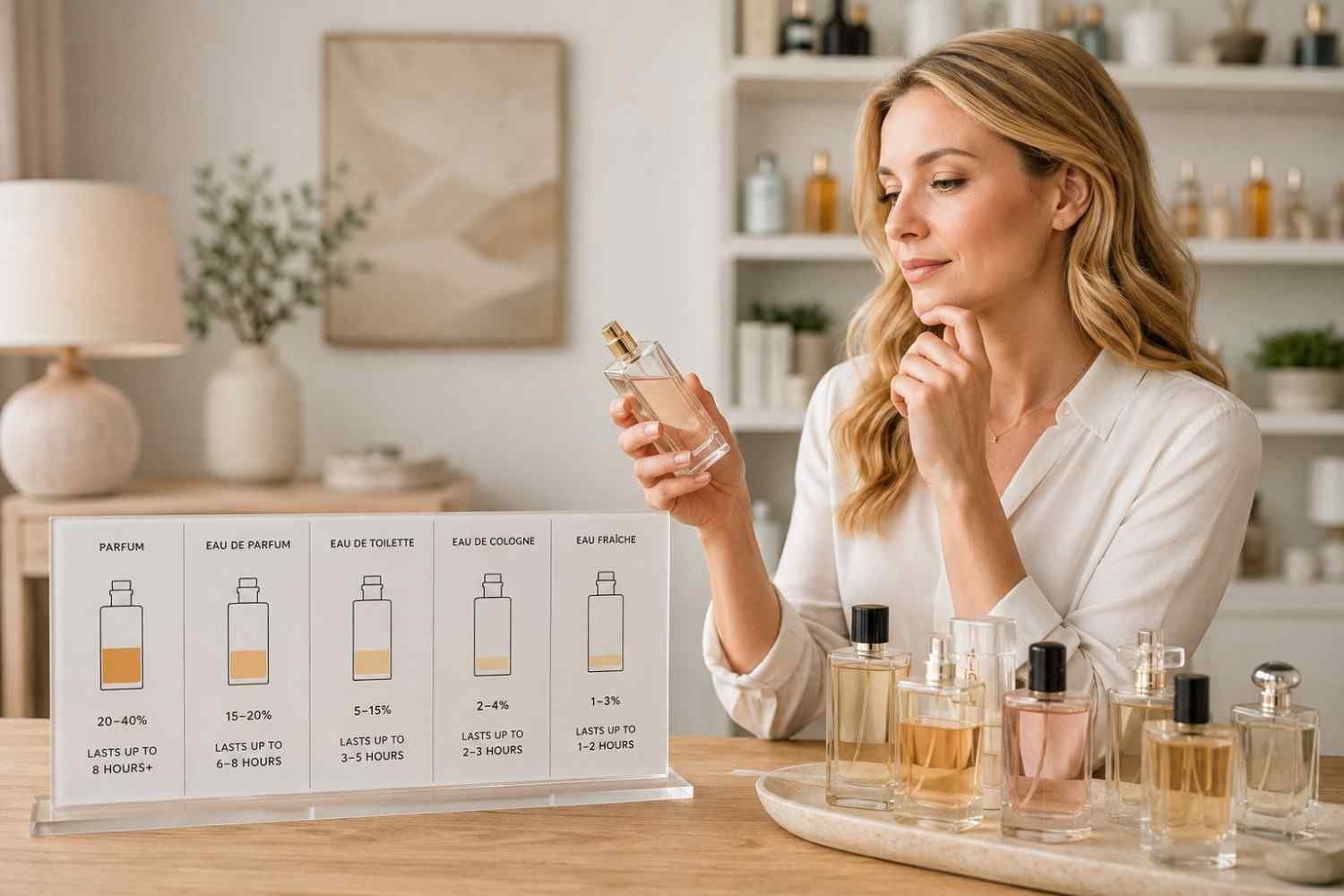
The label doesn’t just tell you what’s inside the bottle. It also tells you how concentrated the fragrance is, which directly affects longevity and projection.
- Eau de Cologne (EDC): Around 2–4% fragrance oil, typically lasting one to two hours.
- Eau de Toilette (EDT): About 5–15% fragrance oil with a wear time of three to five hours.
- Eau de Parfum (EDP): Usually 15–20% fragrance oil, lasting five to eight hours.
- Parfum or Extrait: Roughly 20–40% fragrance oil and often remains noticeable for eight hours or longer.
While concentration influences performance, ingredients, skin chemistry, climate, and fragrance construction also affect how long a perfume lasts.
Natural and Synthetic Ingredients Both Have a Place
Many shoppers automatically assume natural ingredients are better than synthetic ones, but fragrance creation isn’t that simple.
Natural materials, including essential oils and botanical extracts, offer beautiful complexity. However, they can vary depending on weather, harvest conditions, and storage. Some natural ingredients are also common sources of skin sensitivity.
Synthetic aroma molecules help perfumers create scents that don’t naturally exist, such as marine accords, metallic notes, or certain fruit aromas. They also improve consistency, longevity, and sustainability by reducing pressure on limited natural resources.
Instead of focusing on whether a perfume is entirely natural or synthetic, consider how well the complete formula performs and whether it suits your skin.
What Ingredient Lists Can’t Tell You
Even after learning how to understand fragrance ingredient lists, it’s important to recognize their limitations.
An ingredient list won’t reveal whether you’ll enjoy the fragrance. It can’t explain how smoothly the scent develops, whether the dry down becomes creamy or woody, or how the perfume interacts with your skin chemistry.
That’s why testing remains essential. A fragrance that smells amazing on a paper strip may develop very differently after a few hours on your skin.
Simple Ways to Shop With More Confidence
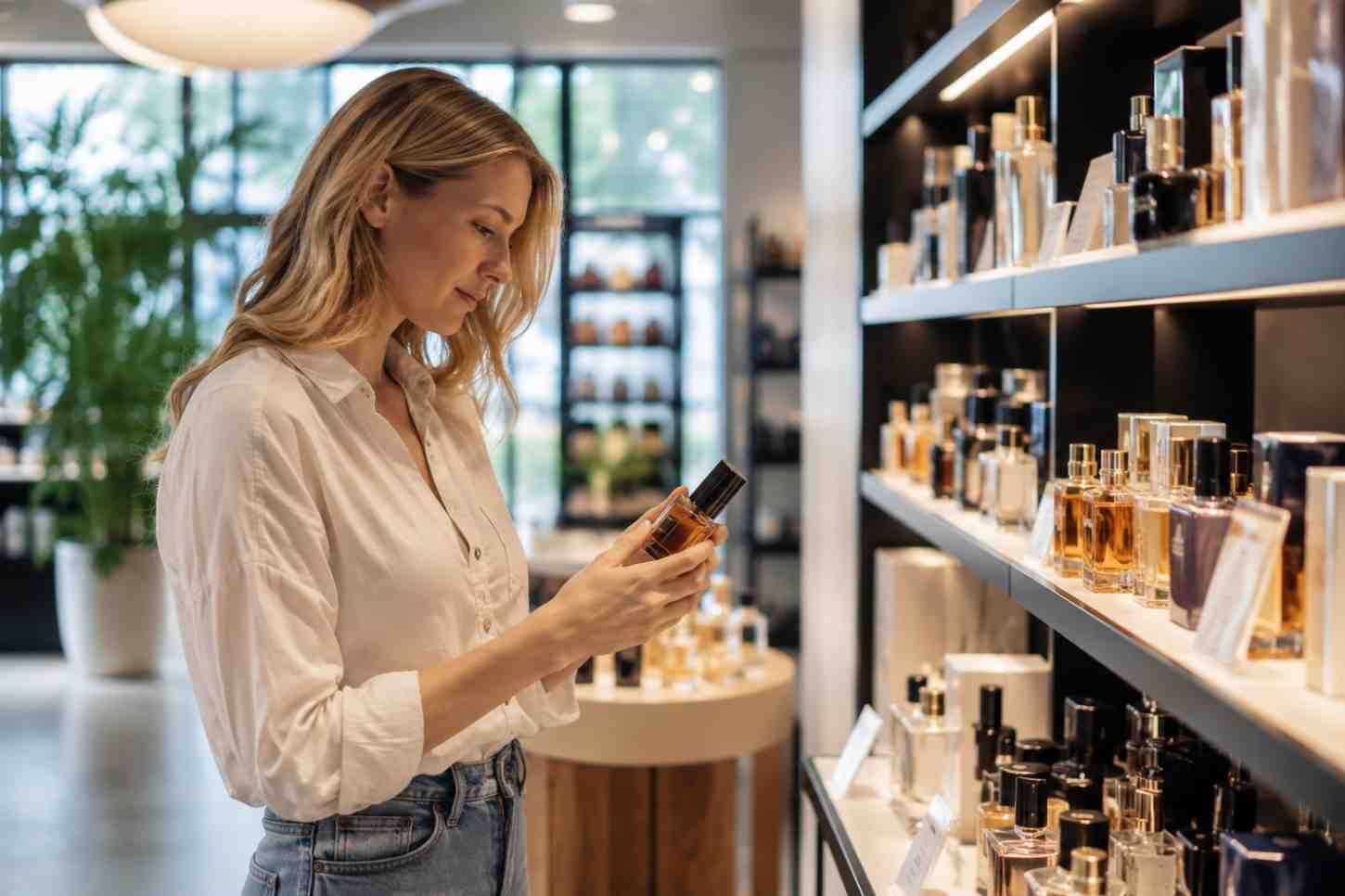
When you’re comparing fragrances, keep these practical tips in mind:
- Test perfumes on your skin rather than only on paper strips, and wait at least two to three hours before deciding.
- Ignore gender labels and explore fragrance families that genuinely appeal to your preferences.
- Don’t judge a perfume by its opening alone. The dry down often becomes the most enjoyable part of the experience.
- Learn to recognize ingredient labels while also following evolving clean perfume trends, but don’t assume every marketing claim reflects better performance or safety.
FAQs: How to Understand Fragrance Ingredient Lists and Choose Fragrances With Confidence
1. What is an INCI fragrance ingredient list?
An INCI list is the standardized ingredient label required for cosmetic products. It uses internationally recognized ingredient names so consumers can identify what’s inside a fragrance, regardless of the brand or country where it is sold.
2. Why does every perfume list “Parfum” instead of individual scent ingredients?
“Parfum” protects a brand’s proprietary fragrance formula. Companies aren’t required to disclose every aroma chemical because the complete blend is considered confidential intellectual property.
3. Are fragrance allergens dangerous?
Not necessarily. Ingredients like Limonene and Linalool are listed because regulations require disclosure above specific concentrations. Most people use them safely, but those with fragrance sensitivities should review labels carefully.
4. Should I choose natural perfumes over synthetic ones?
Both have advantages. Natural ingredients provide complexity, while synthetics improve consistency, longevity, and sustainability. The overall formula matters more than whether every ingredient comes from nature.
Reading Labels Is Only the Beginning
Understanding fragrance ingredient lists gives you a clearer picture of what’s inside a bottle, but it shouldn’t replace your own experience. The most memorable perfumes aren’t chosen because of a single ingredient—they’re chosen because they suit your personality, your skin, and the moments you want to remember.
Once you understand the label, you’re free to focus on what matters most: finding a fragrance you’ll actually love wearing.