

Your morning coffee might be doing more than waking you up. It can temporarily increase cortisol, the hormone your body naturally releases to prepare for the day. But does coffee spike cortisol in the morning enough to harm your health?
Research confirms that caffeine can increase cortisol secretion, particularly among people who rarely consume it. However, the effect is usually smaller in regular coffee drinkers, and a temporary increase does not automatically indicate harmful stress.
The more important questions are how much caffeine you consume, how your body responds, and whether your coffee habits interfere with sleep.
What Happens When Caffeine Enters Your System?
Coffee contains caffeine, a stimulant that primarily works by blocking adenosine receptors in the brain. Adenosine contributes to sleep pressure, so blocking its effects temporarily increases alertness.
Caffeine can also activate the body’s stress-response system, including the hypothalamic-pituitary-adrenal axis, which regulates cortisol secretion.
How Much Does Coffee Actually Raise Cortisol?
A study published in Psychosomatic Medicine examined caffeine responses among 96 healthy adults.
Researchers administered controlled caffeine doses and measured participants’ salivary cortisol throughout the day.
After five days without caffeine, participants experienced a substantial cortisol increase following caffeine administration.
However, participants who regularly consumed caffeine showed a much smaller response to their initial morning dose.
The findings demonstrated that caffeine tolerance reduces, but does not necessarily eliminate, cortisol responses.
Read the original caffeine and cortisol study for the research methods and results. Although some online articles describe cortisol increases approaching 50%, there is no universal percentage applicable to every coffee drinker.
The response depends on caffeine exposure, dosage, individual physiology, and experimental conditions.
Is Drinking Coffee Immediately After Waking Up Bad?

One popular wellness recommendation suggests avoiding caffeine for the first 60–90 minutes after waking.
The theory is straightforward: since cortisol naturally increases shortly after awakening, delaying coffee might prevent caffeine from adding to that hormonal surge.
Although this explanation sounds convincing, evidence supporting a mandatory waiting period remains limited.
Does Waiting 90 Minutes Prevent a Cortisol Spike?
Delaying coffee does not necessarily stop caffeine from stimulating cortisol secretion. The body’s natural awakening response may begin declining, but caffeine can still produce a hormonal response afterward.
Furthermore, habitual coffee drinkers often develop some tolerance to caffeine’s cortisol effects. A scientific review published in the Journal of the International Society of Sports Nutrition found insufficient evidence that delaying morning caffeine reliably prevents cortisol-related problems.
For healthy adults, drinking coffee shortly after waking is not inherently harmful. However, waiting may be worthwhile if immediate caffeine consumption causes nervousness, shakiness, or digestive discomfort.
The most useful schedule is one that supports comfortable alertness without compromising sleep.
Why Regular Coffee Drinkers React Differently
Someone drinking coffee for the first time may experience noticeable stimulation from a relatively small serving.
A person who drinks coffee every morning may respond differently because repeated caffeine exposure produces physiological adaptations. This phenomenon is known as caffeine tolerance.
However, tolerance is not complete protection against caffeine’s effects.
Researchers have found that regular users may still experience elevated cortisol under certain conditions, including stress or additional caffeine consumption later in the day.
Consequently, being accustomed to coffee does not mean unlimited consumption is harmless.
A particularly important distinction is that temporary cortisol elevation is not equivalent to chronically elevated cortisol. For those exploring ways to manage persistent evening cortisol concerns, understanding phosphatidylserine for high evening cortisol offers additional insight into the relationship between this compound and the body’s stress response.
There is also insufficient evidence that ordinary morning coffee consumption damages the adrenal glands or causes so-called adrenal fatigue.
How Much Morning Coffee Is Too Much?
Caffeine quantity often matters more than whether you drink coffee at 7:00 a.m. or 8:30 a.m. According to the U.S. Food and Drug Administration, 400 milligrams of caffeine daily is an amount not generally associated with negative effects for most healthy adults.
However, the FDA emphasizes that individual sensitivity varies considerably.
A typical 12-ounce brewed coffee can contain approximately 113–247 milligrams of caffeine, depending on preparation and strength. That means two large coffees may deliver considerably more caffeine than expected.
Check the FDA caffeine consumption guidelines for additional information. Remember that energy drinks, tea, pre-workout supplements, and certain medications may contribute to daily caffeine intake.
If caffeine causes palpitations, anxiety, headaches, or sleep disruption, reducing consumption may be appropriate even below the general FDA reference amount.
The Bigger Concern: Coffee, Sleep, and Afternoon Fatigue
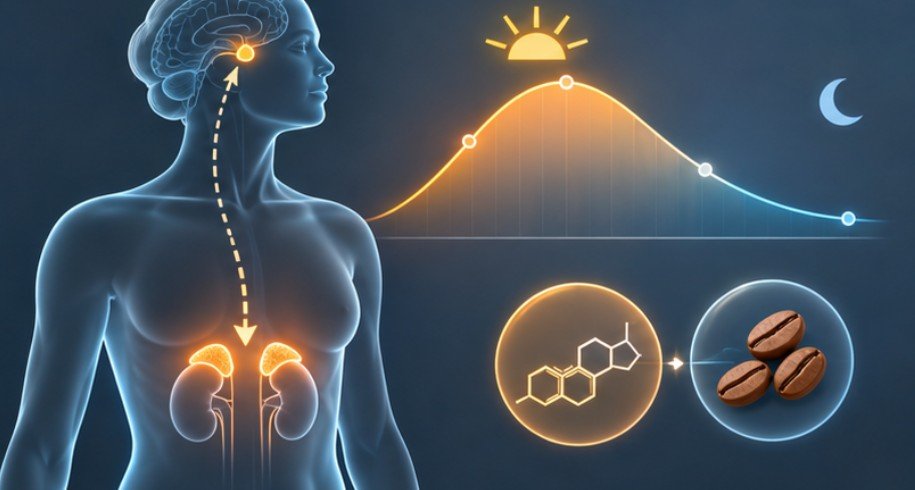
Morning cortisol receives considerable attention, but nighttime sleep deserves equal consideration. Caffeine can remain active for hours, potentially delaying sleep or reducing sleep quality.
Morning daylight exposure can also support healthy sleep-wake timing. Understanding the morning sunlight duration for circadian rhythm can help you establish better morning habits alongside mindful caffeine consumption.
A study published in the Journal of Clinical Sleep Medicine investigated caffeine consumed at bedtime, three hours beforehand, and six hours beforehand.
Researchers found that a 400-milligram dose significantly disrupted sleep even when consumed six hours before bedtime.
The caffeine timing and sleep study suggests that avoiding substantial caffeine doses late in the day may protect sleep quality.
Is Your Afternoon Crash Really Caused by Cortisol?
Not necessarily. Afternoon tiredness can reflect normal circadian changes, insufficient sleep, accumulated sleep pressure, or caffeine wearing off.
It does not automatically indicate an abnormal cortisol crash. Drinking additional coffee may temporarily mask tiredness while creating another problem: difficulty sleeping that night.
Over time, this can encourage a cycle of poor sleep followed by greater caffeine consumption.
A Simple Seven-Day Test to Improve Your Coffee Routine
Instead of following strict social media rules, observe how your body responds to caffeine.
For seven days, try this practical approach:
- Days 1–2: Keep your usual coffee schedule. Record caffeine amounts, alertness, anxiety, and nighttime sleep.
- Days 3–4: Try delaying your first coffee by 60–90 minutes while keeping your total intake unchanged.
- Days 5–6: Return to your preferred timing, but experiment with a smaller morning serving.
- Day 7: Compare your observations and identify which routine supports better energy and sleep.
This informal experiment cannot measure cortisol or establish a medical diagnosis. However, it can reveal whether timing or dosage affects your everyday well-being.
Avoid abruptly stopping caffeine if you consume large amounts daily, as withdrawal can cause headaches and fatigue.
Who Should Be More Careful With Morning Caffeine?
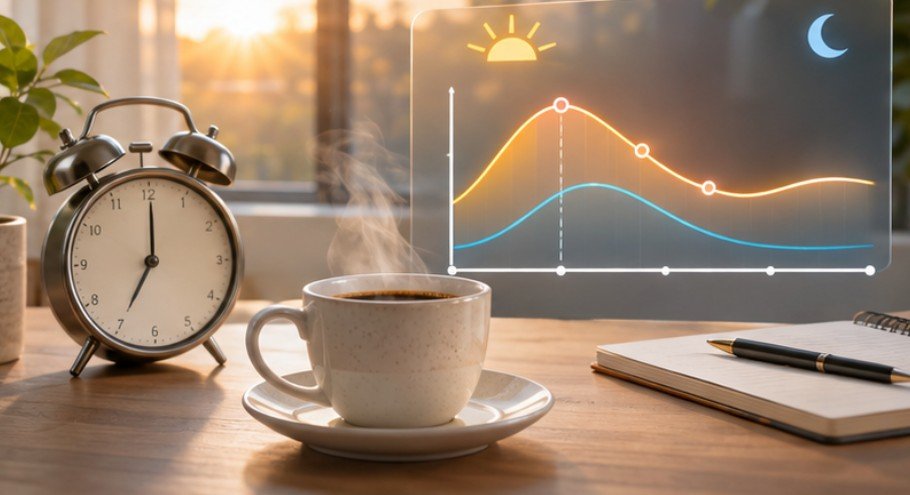
Coffee affects individuals differently, especially those with certain health conditions. People experiencing significant anxiety, heart palpitations, uncontrolled blood pressure, or persistent insomnia may benefit from discussing caffeine use with a healthcare professional.
Pregnancy also requires additional consideration.
The American College of Obstetricians and Gynecologists recommends consuming less than 200 milligrams of caffeine daily during pregnancy. Its pregnancy caffeine guidance explains why total daily intake matters.
Anyone undergoing cortisol testing should also follow their clinician’s instructions regarding caffeine and preparation.
Frequently Asked Questions
1. Does coffee spike cortisol in the morning for everyone?
Not equally. Caffeine may temporarily increase cortisol, but habitual coffee drinkers often experience a smaller response than occasional users. Individual sensitivity and caffeine dosage also matter.
2. Should I drink coffee before or after breakfast?
Either can work for healthy adults. Having coffee with food may feel more comfortable if drinking it on an empty stomach causes nausea or digestive irritation.
3. Does decaf coffee increase cortisol?
Decaffeinated coffee contains much less caffeine, making a substantial caffeine-driven cortisol response less likely. However, individual responses can vary.
4. Can drinking coffee cause chronically high cortisol?
Temporary caffeine-related increases do not establish chronically elevated cortisol. Persistent hormonal abnormalities require appropriate medical evaluation rather than assumptions based on coffee consumption.
Enjoy Your Coffee Without Fearing Cortisol
Your morning cortisol surge is not a biological mistake that coffee automatically makes worse. It is part of your body’s natural preparation for waking life. If you’re interested in supporting a healthier stress response beyond adjusting caffeine intake, explore how to lower morning cortisol naturally through practical lifestyle habits.
For most healthy adults, moderate coffee consumption can fit comfortably into a balanced routine. The science does not establish that everyone must delay caffeine for 90 minutes.
What matters more is understanding your tolerance, controlling portions, and protecting nighttime sleep.
If morning coffee leaves you alert and comfortable, there may be little reason to change your routine. If it produces anxiety or restless nights, adjust the dose or timing. The goal is better energy, not perfect hormone numbers.