
I once believed that improving my diet meant spending more money on groceries. Every healthy eating recommendation seemed to involve expensive organic produce, protein powders, or specialty foods. However, I eventually realized that nutritious meals don’t need expensive ingredients.
Learning how to start eating healthier on a tight budget begins with smarter grocery shopping, affordable pantry staples, and practical meal planning. By making small adjustments to everyday meals, I can enjoy balanced nutrition, reduce unnecessary spending, and build healthier habits without sacrificing flavor or convenience.
How Can You Start Eating Healthier Without Spending More?
The easiest approach is to improve your existing meals rather than completely changing your eating habits.
I recommend replacing expensive convenience foods with nutrient-dense ingredients such as beans, oats, eggs, vegetables, and whole grains. These foods provide essential nutrients while remaining affordable at most American supermarkets.
For example, switching from packaged breakfast sandwiches to homemade eggs and whole-wheat toast can reduce costs. Similarly, preparing rice bowls instead of ordering takeout makes affordable healthy meals easier to maintain.
Focus on gradual changes that fit your lifestyle, preferences, and grocery budget.
How Do You Create a Healthy Grocery Budget That Actually Works?
Before shopping, I review my weekly food expenses and identify purchases that aren’t essential. Sugary beverages, individually packaged snacks, and frequent convenience meals can increase grocery spending.
Setting a realistic weekly budget helps me prioritize nutritious ingredients without feeling restricted.
Plan Meals Around Weekly Grocery Sales
I check weekly advertisements from stores such as Walmart, Aldi, Kroger, and nearby supermarkets before creating my meal plan.
If chicken, seasonal produce, or canned beans are discounted, I build meals around those ingredients. Store apps and digital coupons can provide additional savings.
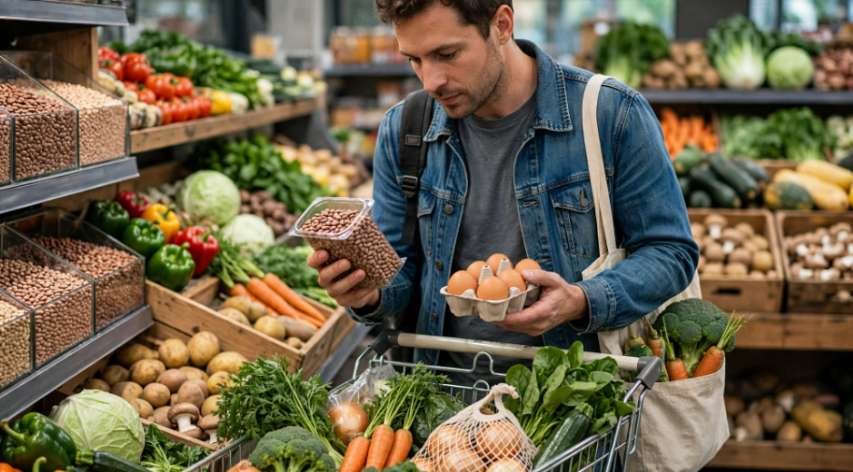
Compare Unit Prices and Check Lower Shelves
Store-brand products frequently offer similar nutritional value at lower prices.
I compare prices per ounce or pound instead of relying on package size. I also check lower shelves for affordable alternatives, although product placement varies between stores.
Buy Pantry Staples in Bulk
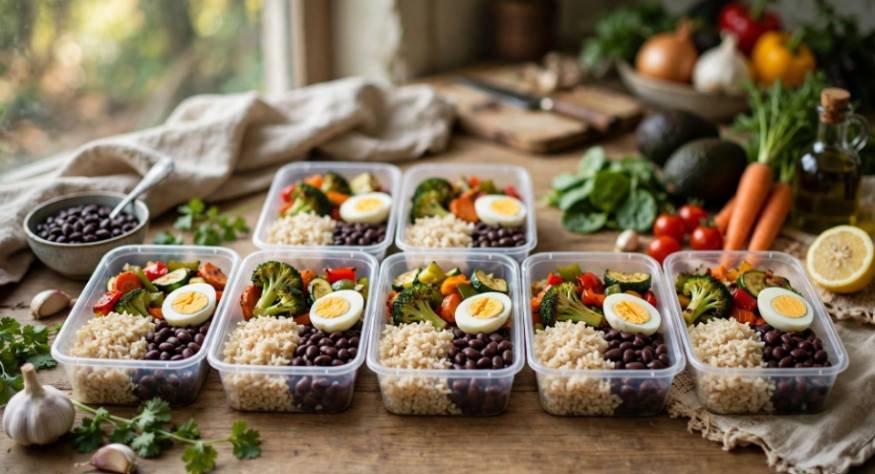
Brown rice, oats, dried beans, and lentils are excellent bulk-buying options because they store well and work in multiple recipes.
However, I only purchase large quantities when the unit price is lower, and I can use everything before it spoils.
What Are the Cheapest Healthy Foods You Should Buy?
Building an inexpensive healthy grocery list starts with choosing versatile foods that provide protein, fiber, vitamins, minerals, and healthy fats.
Affordable Proteins and Legumes
Eggs, canned tuna, tofu, cottage cheese, plain yogurt, and peanut butter offer convenient protein options.
Black beans, chickpeas, green lentils, and split peas provide plant-based protein, fiber, and iron.
I especially like lentils because they work in soups, chili, tacos, and pasta sauces without requiring expensive ingredients.
Budget-Friendly Carbohydrates and Healthy Fats
Whole oats, brown rice, sweet potatoes, bananas, and whole-wheat pasta provide energy and important nutrients.
For affordable healthy fats, I choose peanut butter, sunflower seeds, and ground flaxseed. Ground flaxseed is generally easier to digest than whole flaxseed and works well in oatmeal or yogurt.
Inexpensive Fruits and Vegetables
Cabbage, carrots, onions, potatoes, frozen spinach, and seasonal fruit are practical choices.
I also keep frozen mixed vegetables available because they make preparing balanced meals easier on busy days.
When adjusting your diet, it can also help to understand bloating vs. water retention symptoms so you can better recognize the differences between digestive discomfort and temporary fluid retention.
Is Frozen or Canned Produce as Healthy as Fresh Produce?
Fresh produce isn’t automatically the healthiest or most economical choice.
Frozen vegetables are typically processed soon after harvesting, helping preserve nutrients. They also last longer and reduce preparation waste.
Canned vegetables can provide similar convenience. I prefer no-salt-added varieties or rinse regular canned vegetables to reduce some of their sodium.
For canned fruit, I choose options packed in water or juice rather than heavy syrup.
These simple shopping decisions help me maintain nutritious meals without worrying about fresh produce spoiling.
How Can You Meal Prep and Reduce Food Waste?
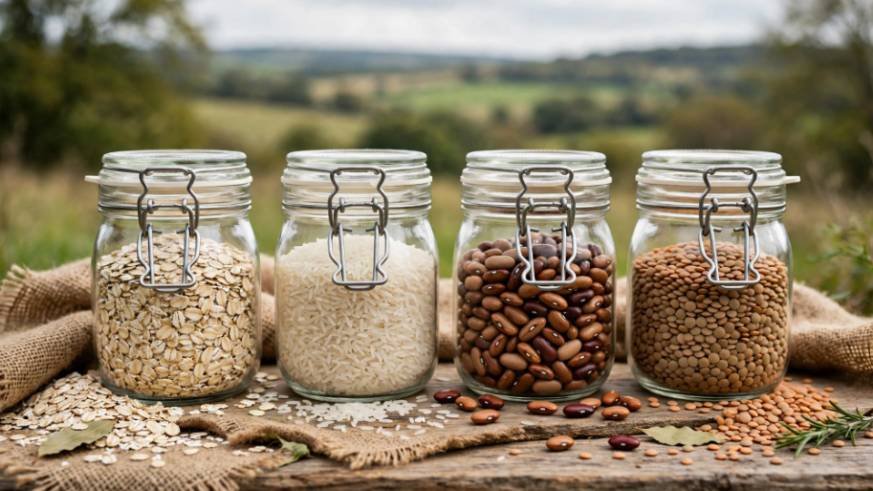
One of my favorite budget-friendly grocery shopping strategies is cooking ingredients once and using them in several meals.
Use the Cook Once, Eat Twice Method
I prepare larger portions of rice, beans, roasted vegetables, or sweet potatoes and repurpose them throughout the week.
For example, cooked rice can become a grain bowl for lunch and vegetable stir-fry for dinner.
I refrigerate cooked leftovers promptly and generally use them within three to four days or freeze them for later.
Stretch Expensive Meat With Beans or Lentils
Ground beef and turkey can become more affordable when combined with cooked lentils or black beans.
For tacos, chili, or pasta sauce, I sometimes replace approximately half the meat with legumes. This creates more servings while adding fiber and plant-based nutrients.
Create an Eat Me First Refrigerator Box
I designate a small refrigerator container for ingredients that need to be used soon.
Fresh spinach, opened yogurt, and leftover vegetables go into this section so I remember to add them to soups, smoothies, or stir-fries before they spoil.
What Are Some Easy Healthy Meals With Simple Ingredients?
Healthy meal planning for beginners works best when recipes use familiar, inexpensive ingredients.
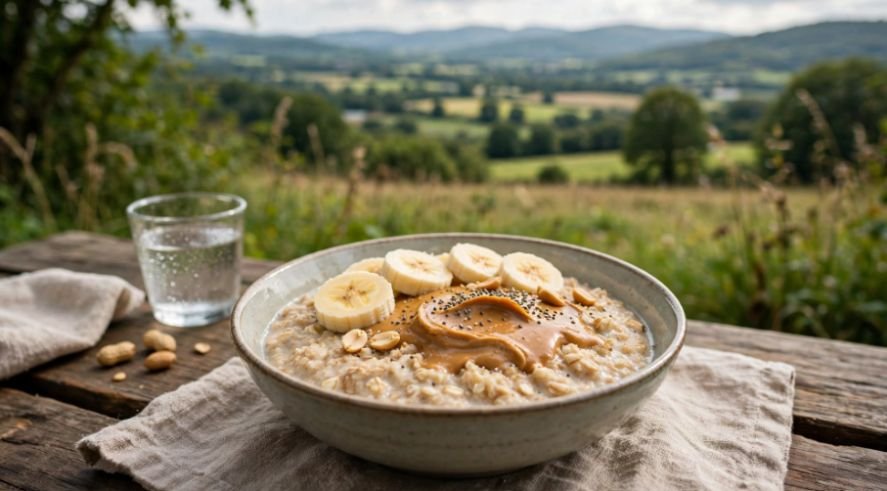
For breakfast, I enjoy oatmeal prepared with milk or water, topped with banana slices and peanut butter.
If you need more affordable breakfast inspiration, explore these easy healthy breakfast ideas for busy mornings for simple meal options that fit into a busy schedule without requiring expensive ingredients.
Lunch can be a brown rice bowl with black beans, roasted carrots, cabbage, and two eggs.
For dinner, I prepare vegetable stir-fry with frozen mixed vegetables, cubed tofu, and a simple garlic-soy sauce over rice.
Choosing balanced meals can also support steady energy throughout the day, and these practical tips on how to improve daily energy without caffeine offer additional ways to stay energized without relying on coffee or energy drinks.
Canned tuna can be used in a separate rice-and-vegetable meal.
Other cheap healthy foods can become satisfying meals, including baked sweet potatoes with beans, lentil soup, chickpea sandwiches, and whole-wheat pasta with vegetables.
Can Food Assistance Programs Make Healthy Eating More Affordable?
When grocery money is especially limited, eligible American households may benefit from government and community resources.
SNAP helps qualifying households purchase groceries, while WIC provides specific nutritious foods and nutrition support to eligible women, infants, and young children.
Local food banks may also provide pantry staples and fresh produce, making balanced meals more accessible.
Frequently Asked Questions
1. What Is the Cheapest Way to Start Eating Healthy?
Begin with affordable staples such as beans, oats, eggs, rice, and frozen vegetables. Plan meals before shopping and gradually replace expensive packaged foods.
2. Can I Eat Healthy Without Buying Organic Food?
Yes. Conventional produce, whole grains, and inexpensive protein sources can support a nutritious diet without requiring organic labels.
3. How to Start Eating Healthier on a Tight Budget With Little Cooking Time?
Choose quick ingredients, prepare larger portions when possible, and reuse leftovers. Frozen vegetables, canned beans, and eggs can simplify weekday meals.
4. Is Meal Prepping Cheaper Than Buying Ready-Made Meals?
Often, yes. Meal prepping can reduce food waste, limit impulse purchases, and decrease reliance on restaurant takeout.
Final Thoughts
I’ve learned that healthier eating depends more on everyday decisions than expensive grocery products. Planning meals, buying versatile staples, comparing prices, and reducing food waste can make nutritious food more accessible.
I prefer starting with small improvements rather than following restrictive diets or complicated recipes. Over time, these practical habits make it easier to enjoy satisfying meals while keeping grocery expenses manageable.
Healthy eating doesn’t need to be perfect or expensive. It simply needs to work for your lifestyle, nutritional needs, and budget.