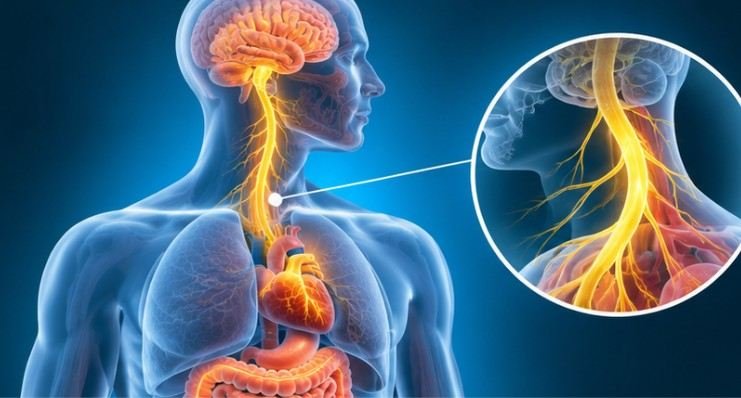
Your nervous system can influence your heartbeat, digestion, breathing, and stress response without you even noticing. At the center of this communication is the vagus nerve, a major pathway connecting your brain to several internal organs.
If you’re wondering how to fix vagus nerve dysfunction at home, the most useful starting point is understanding what home remedies can actually accomplish. Slow breathing, gentle movement, relaxation, and healthy daily habits may support autonomic regulation. However, these techniques cannot repair a damaged nerve or replace medical treatment.
The good news? Several accessible practices can help you manage everyday stress and support a healthier nervous system.
What Happens When Your Vagus Nerve Isn’t Working Properly?
The vagus nerve is the tenth cranial nerve and an important component of the parasympathetic nervous system, which regulates involuntary functions associated with rest, recovery, and digestion.
According to the Cleveland Clinic, the vagus nerves carry signals between the brain, heart, and digestive tract. They help regulate heart rate, digestive activity, and several other essential processes.
When these pathways become disrupted, symptoms vary depending on the underlying condition.
Possible symptoms include:
- Frequent bloating, nausea, or digestive discomfort
- Dizziness or fainting episodes
- Unusual changes in heart rate
- Difficulty swallowing or speaking
- Feeling full unusually quickly after eating
- Problems regulating certain automatic bodily functions
These symptoms do not automatically indicate vagus nerve damage. Anxiety, dehydration, medications, diabetes, and other medical conditions can produce similar complaints.
A proper diagnosis matters because genuine autonomic nerve dysfunction differs from temporary stress-related nervous system changes.
8 Practical Ways to Support Vagus Nerve Function at Home
Home-based strategies primarily aim to encourage relaxation, support general autonomic health, and reduce unnecessary physiological stress.
1. Practice Slow Diaphragmatic Breathing

Controlled breathing is among the most accessible techniques for encouraging the body’s relaxation response.
Instead of taking rapid, shallow breaths, sit comfortably and breathe gently through your nose.
Try this pattern:
- Inhale slowly for four seconds.
- Pause briefly if comfortable.
- Exhale naturally for six seconds.
- Repeat for three to five minutes.
Avoid forcing unusually deep breaths or holding your breath if doing so causes discomfort.
The National Center for Complementary and Integrative Health reports that a 2019 review involving 17 studies and 1,165 participants found modest blood pressure improvements associated with slow breathing. However, the studies had methodological limitations.
This suggests breathing exercises may support cardiovascular relaxation, not that they reverse nerve damage.
2. Experiment With Humming and Gentle Singing
Humming and singing involve muscles and structures in the throat associated with vagal nerve pathways.
These activities also encourage controlled breathing, which may explain some of their calming effects.
Try humming softly for 30–60 seconds, followed by several comfortable breaths. Alternatively, sing a familiar song or gargle water briefly if swallowing is normal.
Although these practices are popular as vagus nerve exercises, direct evidence that they treat clinical vagus nerve dysfunction remains limited.
Think of them as optional relaxation activities rather than medical treatments.
3. Use Mild Cold Exposure Carefully
Cool temperatures can influence autonomic responses, including heart rate.
Gently splashing cool water onto your face may provide a refreshing sensation during stressful moments.
Some people also experiment with brief, cool showers. However, extreme cold exposure can produce an intense cardiovascular response rather than relaxation.
Avoid ice-water immersion, prolonged cold exposure, or sudden temperature shocks, particularly if you have heart disease, fainting episodes, or circulation problems.
There is no established cold-water protocol proven to repair the vagus nerve.
4. Relax With Gentle Massage
Physical tension frequently accumulates around the shoulders, jaw, and upper back.
Light massage can help relieve muscular discomfort and create a more relaxed environment.
Try gently massaging your shoulders, scalp, or the area behind your ears for a few minutes.
Avoid applying pressure to the front or sides of your neck. Manipulating the carotid sinus can dangerously affect heart rate or blood pressure in susceptible people.
Massage may improve comfort, but ordinary neck, ear, or foot massage has not been established as a treatment for vagal nerve injury.
5. Make Walking Part of Your Daily Routine

Movement supports cardiovascular health, mood, sleep, and overall physiological resilience. A comfortable 10–15-minute walk after work or during lunch can be an achievable starting point.
The American Heart Association recommends at least 150 minutes of moderate aerobic activity weekly for most adults, alongside muscle-strengthening exercise. Gradually increase your activity according to your fitness level.
If exercise triggers dizziness, chest discomfort, or unusual palpitations, stop and seek medical guidance.
6. Try Gentle Yoga and Mindfulness
Yoga combines controlled movement, attention, and breathing, making it useful for managing everyday stress. Begin with comfortable seated stretches, supported child’s pose, or gentle shoulder movements.
You can also practice mindfulness by focusing on breathing sensations for five minutes without attempting to change them. These practices may reduce perceived stress and encourage relaxation.
However, people experiencing balance problems or dizziness should avoid challenging positions and rapid transitions. Consistency matters more than difficult poses or lengthy sessions.
7. Support Your Gut With Appropriate Nutrition
The vagus nerve participates in communication between the digestive system and brain. For generally healthy adults, a balanced Mediterranean-style eating pattern can support long-term health. Consider including vegetables, fruits, beans, whole grains, olive oil, and omega-3-rich foods such as salmon.
Fermented foods, including yogurt and kefir, may also fit into a balanced diet. However, digestive conditions require individualized recommendations.
For example, Johns Hopkins Medicine explains that people with gastroparesis may need smaller meals and reduced fiber or fat intake because these can worsen delayed stomach emptying. A high-fiber diet is therefore not appropriate for everyone with suspected vagal problems.
8. Protect Your Sleep and Recovery Time
Sleep habits influence how effectively your body manages daily demands.
Maintain a reasonably consistent bedtime, reduce late-evening caffeine, and establish a quiet sleeping environment. Before bed, try five minutes of relaxed breathing, gentle stretching, or calming music. Avoid treating every restless night as evidence of a malfunctioning vagus nerve.
Persistent sleep disturbances deserve appropriate assessment, especially when accompanied by other concerning symptoms.
A Simple 15-Minute Daily Nervous System Routine
If you’re researching how to fix vagus nerve dysfunction at home, a repeatable routine is generally more practical than constantly switching between unfamiliar techniques. Use this 15-minute sequence as a stress-management experiment:

3 min
Slow breathing
Sit comfortably and use gentle, unforced breathing.
5 min
Gentle movement
Walk indoors or practice comfortable stretches.
2 min
Humming or relaxing music
Choose whichever feels comfortable.
5 min
Mindfulness
Sit quietly and observe your breathing and surroundings.
Track your comfort, stress levels, and sleep quality over one or two weeks. This is a personal wellness log, not a diagnostic test or a measurement of nerve recovery.
When Home Remedies Aren’t Enough
A major misconception is that every vagus nerve problem can be corrected through stimulation.
True nerve damage can result from diabetes, surgery, neurological disease, or other medical conditions.
According to MedlinePlus, autonomic neuropathy treatment often focuses on managing symptoms, addressing underlying causes, and preventing complications.
Seek medical evaluation for persistent nausea, unexplained weight loss, recurring dizziness, swallowing difficulties, or unusual heart rates.
Call 911 for chest pain, severe breathing difficulty, fainting with concerning symptoms, or sudden neurological changes.
Never attempt forceful neck pressure or electrical stimulation using unapproved devices. Prescription vagus nerve stimulation is a specialized medical treatment, not interchangeable with home relaxation exercises.
Frequently Asked Questions
1. Can vagus nerve dysfunction heal naturally?
Some symptoms may improve when an underlying reversible cause is treated. However, significant nerve damage may persist, and home relaxation exercises cannot guarantee nerve recovery.
2. What is the fastest way to calm your vagus nerve?
Gentle, slow breathing may help you feel calmer within minutes. However, there is no proven technique that instantly resets or repairs a dysfunctional vagus nerve.
3. Does humming really stimulate the vagus nerve?
Humming engages throat structures associated with vagal pathways and encourages controlled exhalation. Evidence that humming directly treats diagnosed vagus nerve disorders remains insufficient.
4. How long does vagus nerve recovery take?
Recovery depends on the cause and severity of dysfunction. Stress-related symptoms may improve relatively quickly, while physical nerve injuries can require prolonged treatment or may not fully recover.
A Healthier Nervous System Starts With Realistic Habits
Understanding how to fix vagus nerve dysfunction at home begins with separating everyday nervous system support from the treatment of actual nerve damage.
Slow breathing, regular walking, adequate sleep, balanced nutrition, and gentle relaxation can contribute to better overall well-being. None offers a guaranteed neurological cure.
Rather than chasing an instant vagus nerve reset, focus on habits you can maintain and symptoms you can accurately describe to a healthcare professional.
The most valuable improvement may not come from one special exercise. It may come from recognizing what your body needs, supporting it consistently, and knowing when professional care is essential.