

The day may be over, but for many of us, our phones keep our minds working overtime. I’ve often reached for my phone to check one last message, only to find myself watching videos, reading updates, or scrolling through social media long after I planned to sleep. What feels like a few harmless minutes can quietly steal valuable rest.
That’s why I started exploring how to reduce screen time before bed without making my evenings feel restrictive or boring. I discovered that the secret isn’t simply putting my phone away. It’s creating an environment where disconnecting feels natural and relaxing activities become more appealing than endless scrolling.
From automatic phone limits to enjoyable screen-free activities, these simple changes can help you break nighttime scrolling habits, protect your sleep quality, and wake up feeling more refreshed.
Why Does Screen Time Before Bed Affect Sleep Quality?
Electronic devices can interfere with your natural sleep-wake cycle, also known as your circadian rhythm.
Bright screens emit blue-enriched light that can suppress melatonin, a hormone that helps regulate sleep. However, light isn’t the only concern. Exciting videos, stressful news, and endless social media updates can keep your mind alert.
Late-night scrolling also encourages bedtime procrastination, reducing the hours available for rest.
The Centers for Disease Control and Prevention recommends turning off electronic devices at least 30 minutes before bedtime. For many people, a longer wind-down period may be beneficial.
How to Reduce Screen Time Before Bed With 10 Simple Habits
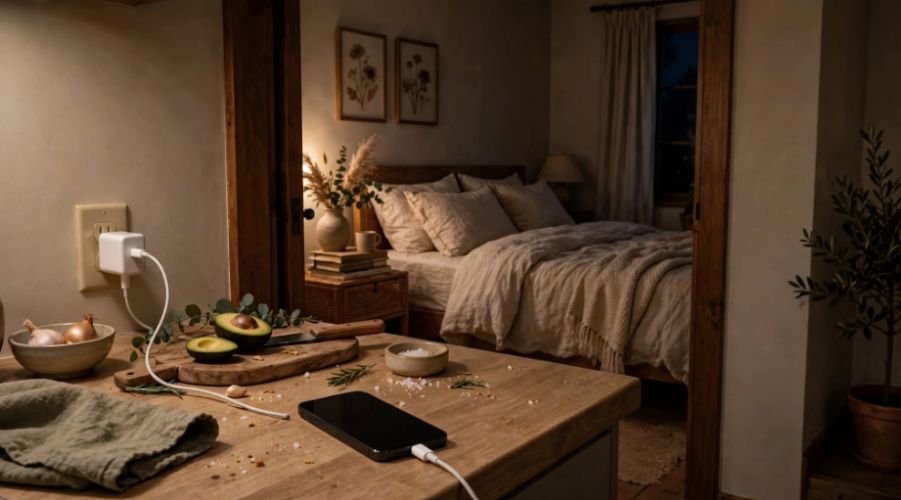
1. Charge Your Phone Outside the Bedroom
Keeping your phone within arm’s reach makes nighttime scrolling almost automatic.
I recommend moving your charger into the kitchen, hallway, or living room. This simple environmental change removes the temptation to check notifications whenever you wake up.
If you use your smartphone as an alarm, replace it with an inexpensive standalone alarm clock.
You can also establish a screen-free bedroom by keeping laptops, tablets, and televisions outside your sleeping space whenever practical.
2. Set a Consistent Screen-Free Bedtime

Instead of randomly deciding when to put your phone away, establish a predictable nightly cutoff.
If you usually sleep at 10:30 p.m., stop recreational screen use around 9:30 or 10 p.m.
Start with 15 minutes if an entire hour feels overwhelming. Gradually increase your screen-free period as the habit becomes easier.
Consistency matters more than following a perfect schedule.
3. Automate Screen Time Limits on Your Phone
Smartphones already contain tools that make reducing screen exposure easier.
On an iPhone, Apple Screen Time lets you schedule Downtime and restrict distracting applications. Android Digital Wellbeing offers app timers, Focus Mode, and Bedtime Mode.
I recommend scheduling these features to activate each evening automatically.
Restrict social media, gaming, shopping, and entertainment apps first. This reduces the need to rely entirely on willpower.
4. Schedule Do Not Disturb Before Bed
Constant notifications make disconnecting difficult, especially when work and personal messages arrive throughout the evening.
Try scheduling Do Not Disturb or Sleep Focus approximately 60 minutes before bedtime.
You can allow emergency calls and messages from selected contacts while silencing unnecessary alerts.
This approach is particularly useful for professionals managing late-night emails, group chats, and workplace notifications.
Setting boundaries around work notifications is also important when learning how to stop feeling tired after work, as it gives your mind more time to disconnect and recover.
5. Make Your Phone Screen Less Appealing
If you occasionally need your phone at night, adjust its display settings.
Lower screen brightness and schedule Night Shift on compatible iPhones or Night Light on supported Android devices.
You can also experiment with grayscale through accessibility settings or Android Bedtime Mode. Some iPhone accessibility settings allow red-tinted color filters.
Grayscale may make colorful applications less appealing, although evidence that it directly improves sleep remains limited.
Remember that warmer display colors don’t eliminate the stimulating effects of scrolling.
6. Replace Social Media With Screen-Free Activities

The hardest part of changing a bedtime habit is often deciding what to do instead.
I prefer replacing scrolling with something relaxing but enjoyable.
Reading a printed book, completing crossword puzzles, solving Sudoku, or assembling a jigsaw puzzle keeps your attention occupied without staring at a bright display.
Journaling can also help you organize tomorrow’s priorities and process lingering thoughts from the day.
If racing thoughts or daily worries make it difficult to unwind, these easy ways to reduce stress before bedtime can help make your evening routine more relaxing.
Choose an activity that feels rewarding rather than treating screen-free time as punishment.
7. Relax Your Body Before Sleeping
Physical relaxation can make your bedtime routine more enjoyable.
Try gentle stretching, restorative yoga, slow breathing exercises, or a warm bath.
These activities provide a welcome break after spending hours sitting at a desk or using a computer.
I also recommend dimming bedroom lights, maintaining a comfortable temperature, and minimizing unnecessary noise.
A peaceful sleep environment encourages relaxation without depending on digital entertainment.
8. Try Audio-Only Entertainment
Not everyone enjoys sitting quietly before bedtime.
If silence makes you restless, consider listening to a calming audiobook, gentle podcast, nature sounds, or ambient music.
Choose content that doesn’t make you curious enough to keep listening for hours.
Keep the device screen off, use a sleep timer, and maintain a comfortable volume.
This provides entertainment without continuously watching videos or checking social media.
9. Create a 60-Minute Wind-Down Routine
I find that a simple schedule makes healthier nighttime habits easier to maintain.
For additional ways to make this routine more effective, explore these healthy evening habits for better sleep.
For a 10:30 p.m. bedtime, stop unnecessary screen use at 9:30 p.m. Activate Do Not Disturb, put your phone away, and dim the lights.
At 9:45 p.m., take a warm shower or complete your nighttime hygiene routine.
Around 10 p.m., read, journal, stretch, or enjoy calming audio.
Spend the final 15 minutes relaxing without checking notifications.
Adjust the schedule to fit your household responsibilities and preferred bedtime.
10. Keep a Consistent Sleep Schedule
Screen restrictions work better when paired with healthy sleep habits.
The CDC recommends that adults ages 18–60 get at least seven hours of sleep each night.
Try maintaining similar sleep and wake times throughout the week, including weekends.
If you occasionally work late or need your phone for family emergencies, prioritize essential communication and avoid switching to recreational browsing afterward.
Creating sustainable habits matters more than eliminating every minute of nighttime technology use.
Frequently Asked Questions
1. Is 30 Minutes Without Screens Before Bed Enough?
Thirty minutes is a reasonable starting point and aligns with CDC sleep recommendations. If possible, try extending your screen-free period to 60 minutes.
2. Does Night Mode Help Improve Sleep Quality?
Night mode may reduce blue-enriched light exposure, but it cannot prevent stimulating content or excessive scrolling from delaying sleep.
3. What Are the Best Activities Before Bed Instead of Scrolling?
Reading, journaling, gentle stretching, crossword puzzles, warm baths, and relaxing audio are practical alternatives to nighttime screen use.
4. How to Reduce Screen Time Before Bed When You Work Late?
Schedule automatic app restrictions, silence nonessential notifications, and separate important work communication from recreational scrolling. Even a short, consistent wind-down routine can help.
Final Thoughts: Reclaim Your Evenings and Rest Better
I’ve learned that healthier bedtime habits don’t require an extreme digital detox. Small decisions, such as charging my phone outside the bedroom, setting automatic restrictions, and replacing scrolling with enjoyable activities, make it easier to disconnect.
What matters is creating a routine that works with your lifestyle rather than against it.
Start with one manageable change, practice it consistently, and gradually build an evening routine that leaves more room for relaxation.
Your phone will still be there tomorrow morning, but the sleep you lose tonight is time you cannot recover simply by scrolling less the next day.