A good fragrance combination should not leave skin burning, itching, or covered in red patches. When I create a perfume layering routine for sensitive skin, I control skin exposure before thinking about projection. My formula uses a fragrance-free base, one small skin application, and an accent scent placed elsewhere.
Fragrance commonly triggers allergic contact dermatitis, and even botanical formulas can cause reactions. The American Academy of Dermatology recommends fragrance-free skin care for eczema-prone or reactive skin.
Why Sensitive Skin Needs a Low-Contact Method
Traditional layering may combine scented wash, lotion, oil, mist, and two perfumes. That creates several exposures before the routine is complete.
I use a “skin-contact budget” instead. Only one fragranced product touches a small area of healthy skin. The second scent goes onto clothing or hair lengths. This perfume layering routine for sensitive skin lowers direct exposure, although no method can guarantee zero irritation.
The FDA notes that fragrance can also trigger respiratory symptoms. Fabric application reduces skin contact, but not inhalation.
Quick Routine at a Glance
This quick perfume layering routine for sensitive skin keeps each product’s role clear.
| Step | Product | Placement | Purpose |
| Cleanse | Fragrance-free gentle wash | Body | Avoids adding another scented layer |
| Prime | Fragrance-free lotion or cream | Damp skin | Reduces dryness and supports the barrier |
| Base | One previously tested perfume | Small covered skin area | Keeps direct exposure controlled |
| Accent | One compatible fragrance | Clothing or hair lengths | Adds depth with less skin contact |
| Observe | No new products | Several hours | Makes irritation easier to identify |
My Step-by-Step Perfume Layering Routine for Sensitive Skin

Cleanse Without Added Fragrance
I shower with lukewarm water and a mild, fragrance-free cleanser. I avoid hot water, rough scrubs, and perfumed body washes on scent days.
“Unscented” does not always mean fragrance-free. The FDA explains that some unscented products contain masking fragrance, so I check the ingredient list instead of trusting the front label.
Build a Moisture Barrier
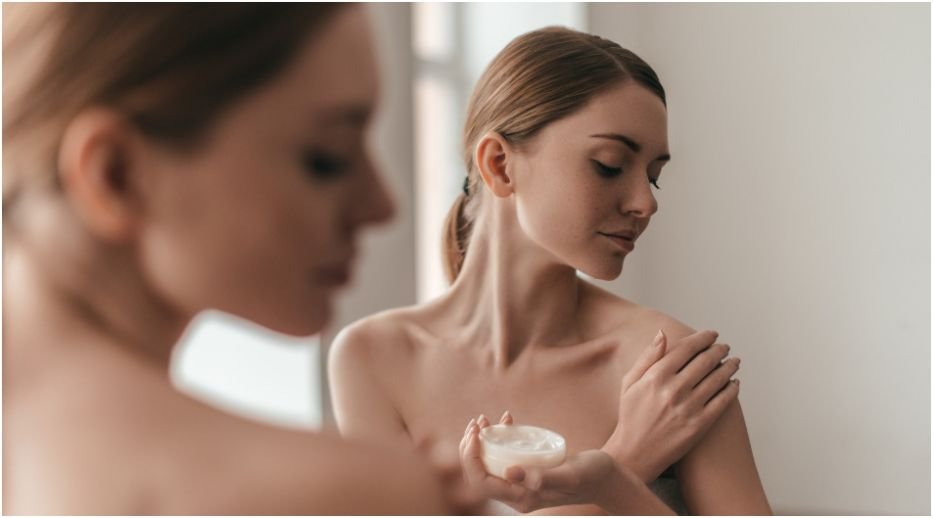
I pat dry, then apply a familiar fragrance-free cream to slightly damp skin. Moisturizer cannot block allergens, but it can reduce dryness and friction.
I never test a new lotion and a new perfume on the same day. Changing one product at a time makes any reaction easier to trace.
Apply One Tested Base Scent
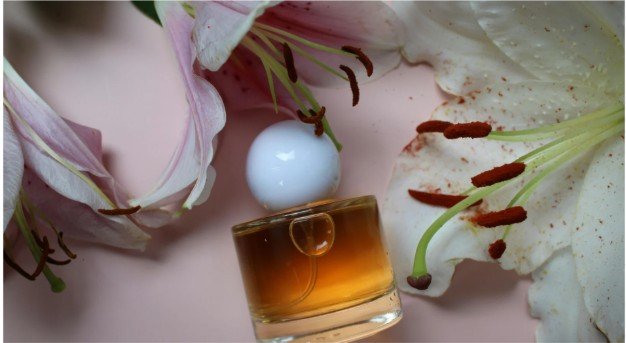
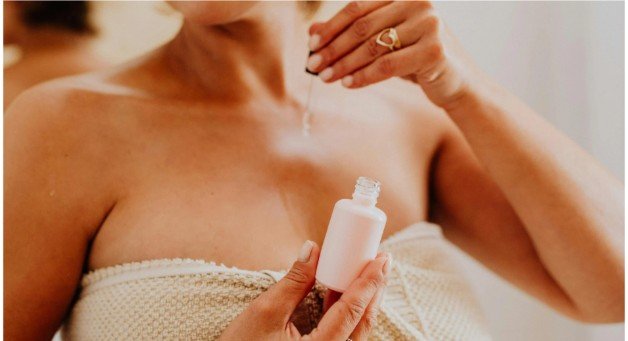
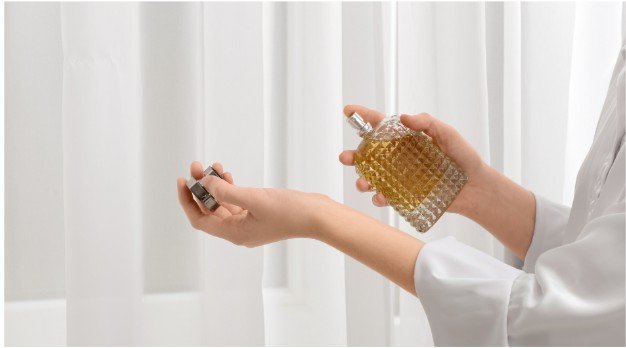
For a perfume layering routine for sensitive skin, I apply one light spray to a small, lotion-primed area of healthy, covered skin.
I avoid eczema, cuts, freshly shaved areas, and rashes. Eau de toilette is not automatically safer than eau de parfum. The complete formula, applied amount, and personal sensitivity matter more than the concentration label.
I let the mist dry naturally and do not rub the area. Friction can aggravate reactive skin.
Move the Accent Scent Off Skin
My accent scent goes onto a scarf, jacket lining, or shirt collar. I test a hidden area first because perfume may mark delicate fabric.
For hair, I spray a brush once, wait until it is dry, and brush only the mid-lengths and ends. I avoid applying it close to my scalp, face, or hairline.
This is also the easiest way to follow how to layer perfume without scents clashing: connect the fragrances through one shared note, then introduce one contrasting note.
How to Choose Compatible Fragrances
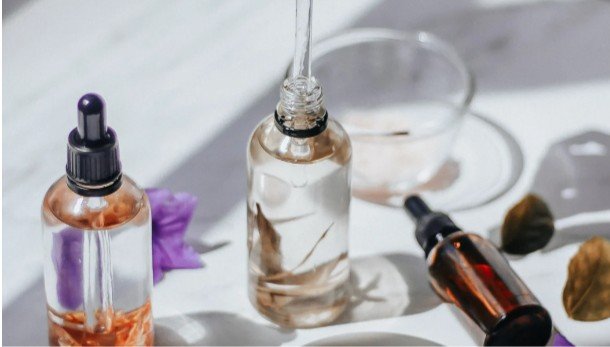
A practical perfume layering routine for sensitive skin starts with formulas and note families that are easy to evaluate.
Do Not Trust “Hypoallergenic” Blindly
I treat “hypoallergenic,” “clean,” and “safe for sensitive skin” as marketing claims rather than medical guarantees. The FDA says “hypoallergenic” has no universal federal definition. Fragrance blends may also appear simply as “fragrance” or “parfum” on labels.
Natural ingredients are not automatically gentler. Research reviews identify numerous fragrance allergens, including oxidized limonene and linalool compounds.
Pair One Soft Base With One Light Accent
My perfume layering routine for sensitive skin pairs a soft vanilla, musk, or sheer wood with tea, citrus, green, or watery floral notes.
I avoid combining two dense fragrances, such as strong oud with heavy amber. That pairing may become overwhelming before I can identify which product causes discomfort.
For example, I place vanilla on moisturized, covered skin and bergamot tea on a jacket lining. The result feels warm and bright without placing both formulas directly on my body.
I wait about one minute so the first scent settles before adding more. This pause also helps me decide whether the second fragrance is necessary.
Flare-Up Prevention Tips

I adjust a perfume layering routine for sensitive skin by changing only one variable at a time. Adding several unfamiliar products together makes irritation much harder to investigate.
Patch Test for More Than 24 Hours
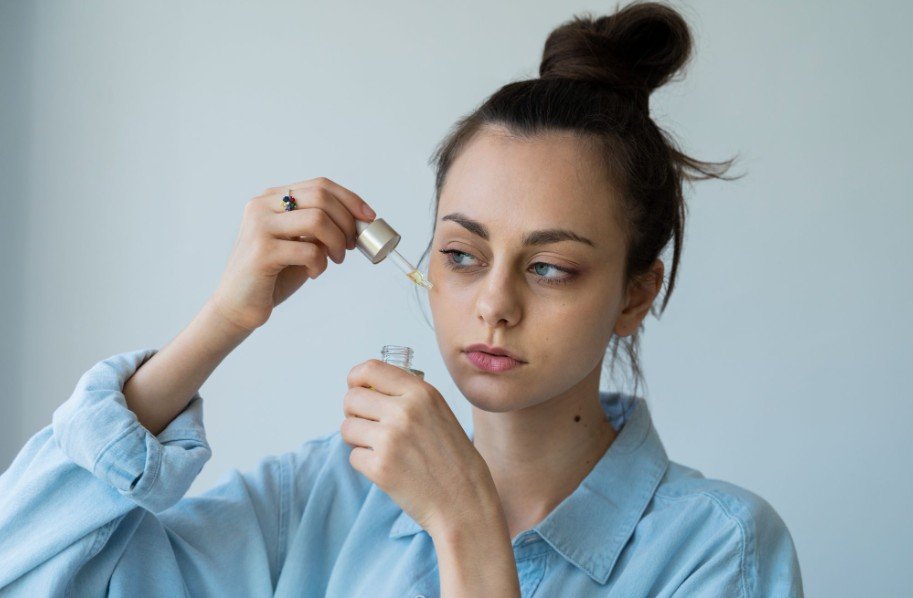
A 24-hour test can miss delayed reactions. AAD guidance recommends testing a new skin care product on the inner arm daily for seven to ten days. Dermatologist-led allergy patch testing is a separate medical process.
I use a tiny amount and stop immediately if I notice itching, swelling, burning, or redness. I never perform a home test on broken or already inflamed skin.
Use the Hairbrush Trick Carefully
I wait until the sprayed brush is dry rather than relying on a fixed ten-second rule. Drying time varies depending on the sprayer, formula, and amount used.
Hair or fabric placement still releases fragrance into the air. I skip perfume entirely if it causes coughing, wheezing, headaches, or eye irritation.
Avoid Sun-Exposed Fragrance Zones
Some furocoumarin-containing citrus oils can react with ultraviolet light. IFRA restricts certain phototoxic ingredients, and human research has demonstrated bergamot oil’s phototoxic potential.
I avoid spraying unknown citrus or essential-oil perfumes onto my neck, chest, or other sun-exposed skin. Covered skin or fabric offers a more cautious placement option.
Sunscreen remains necessary, but I do not treat it as permission to apply several fragrances to exposed areas.
When to Stop Using Perfume
I end the perfume layering routine for sensitive skin if a rash spreads, swelling develops, or itching persists. The FDA advises stopping the product and contacting a healthcare professional after a cosmetic reaction.
A dermatologist may recommend formal patch testing to identify the specific allergen. Breathing difficulty, facial swelling, or throat tightness requires urgent medical attention.
Smell Memorable, Not Inflamed
Sensitive skin does not need more fragrance layers. It needs smarter placement. My perfume layering routine for sensitive skin uses one familiar moisturizer, one controlled skin spray, and one off-skin accent.
I start with two scents, two surfaces, and no other new products. I record which fragrances I used and where I placed them. I keep the perfume layering routine for sensitive skin simple, then add intensity only after my skin remains calm.
A signature scent should leave a memory, not a dermatology appointment.
Frequently Asked Questions
1. Can I layer perfume when I have eczema?
Avoid perfume on active eczema and consult a dermatologist if fragrance frequently triggers flares.
2. Is perfume safer on clothes than on skin?
It reduces direct skin contact, but fragrance vapor may still cause headaches or respiratory symptoms.
3. What scent combination works best for sensitive skin?
No blend is universally safe, but one soft base and one light accent make reactions easier to trace.
4. How often can I follow a perfume layering routine for sensitive skin?
Begin occasionally, watch for delayed reactions, and increase use only when your skin remains comfortable.