
Ever had one of those days when even the smallest task feels like too much? I’ve experienced afternoons when my mind won’t slow down, my shoulders feel tense, and my to-do list seems endless. On days like these, I’ve realized that what I need isn’t another productivity trick or a complicated wellness routine. I just need a little space to recharge.
That’s why I’ve started making room for simple self-care activities for stressful days that don’t demand extra energy, money, or planning. Whether it’s taking a few mindful breaths, enjoying a quiet cup of tea, or stepping outside for fresh air, these small moments help me feel more grounded.
The beauty of self-care is that it doesn’t have to be another responsibility. Sometimes, the smallest pause can make a difficult day feel a little lighter.
Why Do Small Self-Care Activities Help Reduce Stress?
When stress builds, the body activates its natural stress response, which can increase muscle tension, heart rate, and alertness.
Relaxation techniques, including slow breathing and mindfulness, may help encourage the body’s relaxation response.
I prefer quick stress relief activities because they’re realistic. Rather than waiting for a vacation or free weekend, I can take small breaks throughout an ordinary day.
The goal isn’t to eliminate stress completely. It’s to develop healthy ways to respond when life feels demanding.
What Are the Best One-Minute Self-Care Activities?
When my schedule feels packed, these easy self-care ideas give me a chance to reset without interrupting the entire day.
1. Take Five Slow, Comfortable Breaths
I sit comfortably, inhale gently through my nose, and allow my belly to expand naturally. Then, I exhale slowly without forcing the air out.
This technique, often called diaphragmatic breathing, encourages relaxation and helps me focus on the present.
2. Practice Mindful Handwashing
While washing my hands, I pay attention to the water’s temperature, the texture of the soap, and the movement of my fingers.
This simple sensory grounding exercise turns an everyday task into a brief mindfulness practice.
3. Release Tension With Gentle Stretching

I roll my shoulders backward, loosen my arms, and gently stretch my neck.
These movements are especially helpful after sitting at a computer for several hours. I avoid pushing through pain and focus on comfortable movement.
For more gentle movement ideas that can fit into your routine, explore these best low-impact exercises for beginners at home.
4. Refresh Yourself With Cool Water
Splashing cool water on my face or running it over my wrists gives me a refreshing sensory break.
Although it isn’t a guaranteed stress treatment, the sensation can help redirect my attention when I feel overwhelmed.
What Self-Care Activities Can You Do in 5–15 Minutes?
When I have a little more time, I choose activities that help me disconnect from responsibilities and enjoy the present moment.
Preparing a simple, nourishing breakfast can also be a small act of self-care, especially when you choose from these easy healthy breakfast ideas for busy mornings.
5. Take a Short Walk Outdoors
Walking through my neighborhood, visiting a nearby park, or spending time in my backyard helps me step away from daily distractions.
I notice the trees, changing weather, and outdoor sounds instead of worrying about my next task.
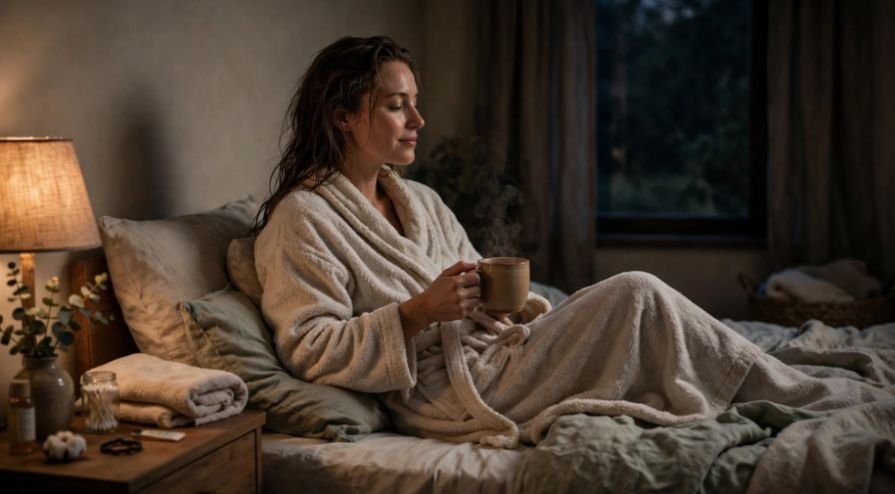
6. Enjoy a Warm Drink Without Screens
I prepare herbal tea or warm milk and enjoy it without checking emails or social media.
This small habit helps me practice mindful relaxation while creating a comforting break from technology.
7. Clear Your Mind With a Brain Dump
When worries pile up, I spend five minutes writing everything on my mind.
I don’t worry about grammar or organization. Getting my thoughts onto paper helps me identify what needs attention and what can wait.
8. Listen to Music or Enjoy a Creative Hobby
Sometimes, I listen to comforting music, sing, draw, bake, or work on a small creative project.
These mental self care activities give me an enjoyable distraction without requiring impressive results or productivity goals.
9. Try Gentle Aromatherapy
A pleasant fragrance can make my surroundings feel more relaxing.
I might use a lightly scented candle or enjoy the natural aroma of fresh flowers. Lavender and eucalyptus are popular options, although evidence for their stress-relieving effects varies.
I avoid strong fragrances when they cause discomfort and never leave candles unattended.
How Can You Relax After a Long, Stressful Day?

Evenings offer an opportunity to transition away from work responsibilities and prepare for rest.
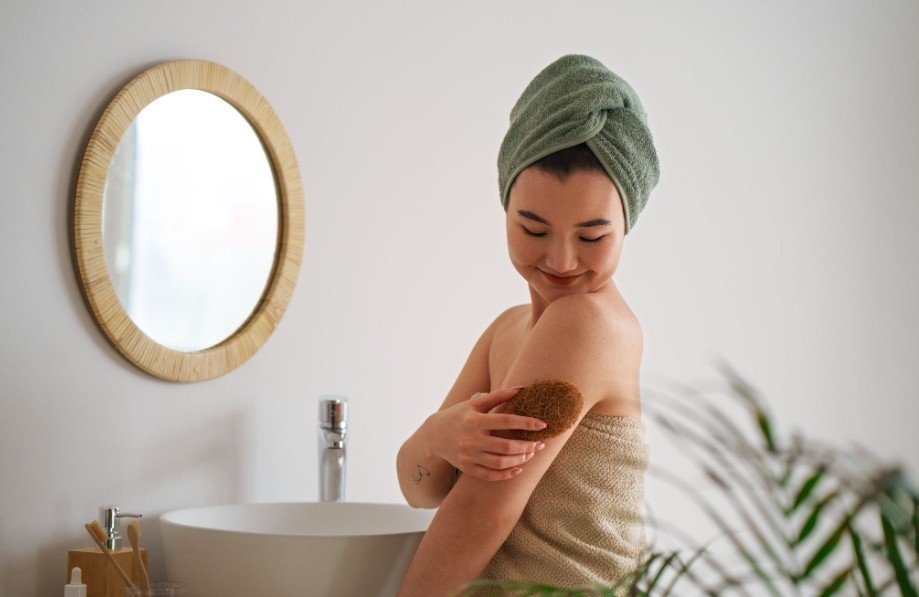
10. Take a Warm Shower or Bath
A comfortable warm shower helps me unwind and creates separation between a busy afternoon and a quieter evening.
11. Read Something Enjoyable Before Bed
I prefer light fiction or an interesting book over scrolling through stressful news.
Reading gives my attention somewhere pleasant to settle without demanding additional productivity.
12. Reduce Screen Time Before Sleeping
I try to put my phone, laptop, and television away at least 30 minutes before bedtime.
According to the Centers for Disease Control and Prevention, turning off electronic devices before bed is one recommended healthy sleep habit.
13. Create a Peaceful Sleep Environment
I dim the lights, reduce unnecessary noise, and keep my bedroom comfortably cool.
A consistent bedtime routine can make it easier to transition toward sleep.
How Can You Practice Self-Care When You Feel Emotionally Exhausted?
When I’m mentally drained, complicated wellness routines are the last thing I need.
Instead, I focus on basic needs. Drinking water, eating a nourishing meal, resting, or postponing a nonessential chore may be more helpful than attempting another activity.
Building healthy habits around nutrition, hydration, movement, and sleep can also help you improve daily energy without caffeine.
I also reach out to trusted friends or family members when I need emotional support.
If persistent stress interferes with sleep, relationships, or daily functioning, speaking with a qualified healthcare professional is an important step.
What Is a Simple 10-Minute Self-Care Routine for Busy Days?
I like combining several small habits into one manageable routine.
I begin with two minutes of comfortable breathing, followed by three minutes of stretching or walking.
Next, I spend two minutes drinking water and stepping away from screens.
For the remaining three minutes, I write down my thoughts, practice gratitude, or sit quietly.
This approach makes simple self-care activities for stressful days easier to incorporate into a demanding schedule.
How Can You Make Self-Care a Daily Habit?
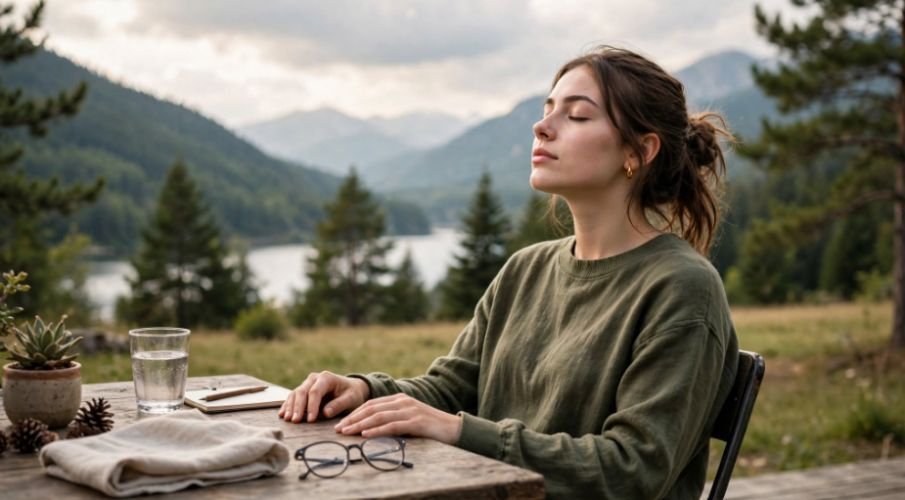
Consistency becomes easier when I connect self-care with activities I already perform.
I might stretch after work, take a short walk during lunch, or read before bedtime.
I also avoid treating missed days as failures. A flexible self-care routine for busy days should support my well-being rather than become another obligation.
Frequently Asked Questions
1. What Are Simple Self-Care Activities for Stressful Days?
Breathing exercises, stretching, mindful handwashing, journaling, short walks, relaxing music, and screen-free breaks are accessible options that require minimal preparation.
2. How Can I Practice Self-Care in Five Minutes?
I recommend choosing one activity, such as deep breathing, drinking water, writing down worries, or stepping outside for fresh air.
3. What Are the Best Self-Care Ideas at Home?
Reading, gentle stretching, warm showers, creative hobbies, journaling, and relaxing without electronic devices are inexpensive options.
4. Can Self-Care Help With Everyday Stress?
Regular self-care can support relaxation and emotional well-being. However, persistent or severe stress may require additional professional support.
Final Thoughts
I’ve learned that taking care of myself doesn’t require perfect routines or expensive wellness products. Sometimes, five peaceful minutes make a demanding day feel more manageable.
Whether I’m enjoying a quiet drink, taking a short walk, or simply allowing myself to rest, these small choices help me recognize my needs.
The most important lesson I’ve learned is that self-care should make life feel easier, not more complicated. By choosing manageable habits and practicing them consistently, I can create more moments of calm, even when my schedule feels overwhelming.